hanchung1223@vm-cleanworld.com
+886-932-039270
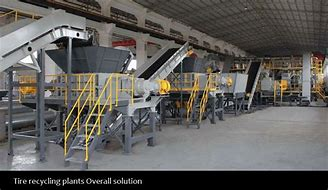
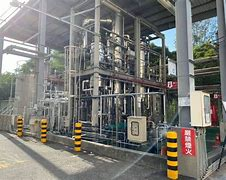

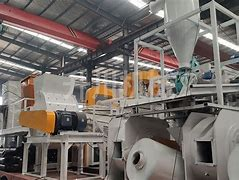

The baking soda and activated carbon grinding and spraying system can simultaneously remove acidic pollutants and trace amounts of harmful substances such as dioxins and heavy metals from flue gas, making it suitable for high-temperature exhaust gas treatment in incinerators, glass kilns, and cement kilns.
Integrating precision grinding, accurate metering, and AI-powered intelligent spraying control, the system optimizes particle size and dosage in real time, achieving high efficiency, low energy consumption, low chemical consumption, and zero wastewater discharge in dry/semi-dry desulfurization, acid removal, and detoxification processes, thus meeting the sustainable energy-saving and environmental protection requirements.
Baking soda and activated carbon grinding and spraying system:
* Metering Spraying System
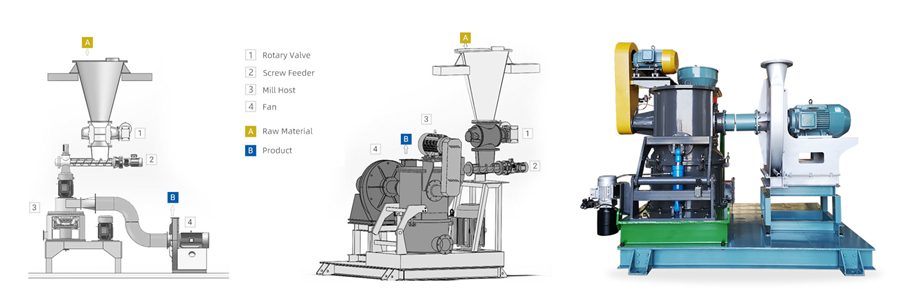
* Module
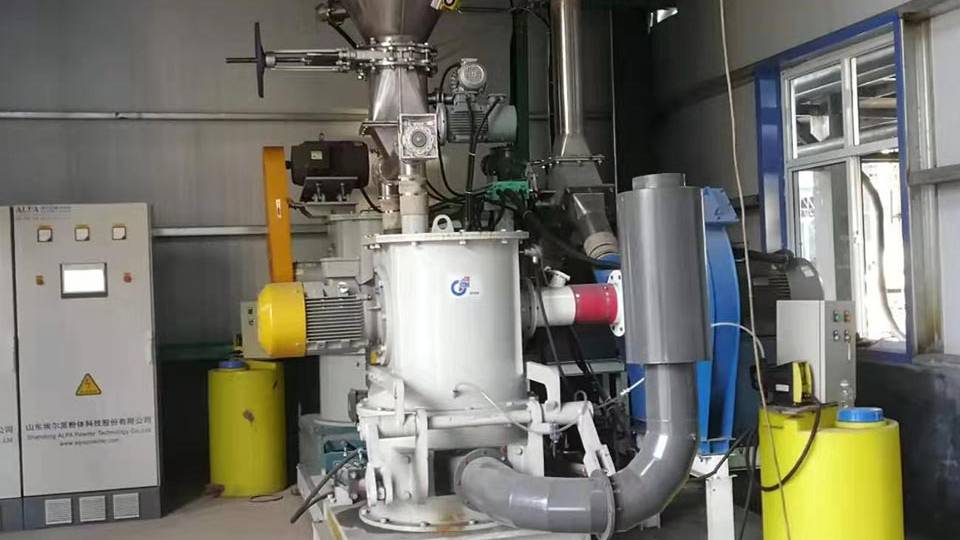
Baking Soda and Activated Carbon Grinding and Spraying System -
Process Flow Description:
I. System Front End and Grinding Unit
* Baking soda and activated carbon are conveyed from storage tanks or silos to the grinder, where the particles are
fined to increase specific surface area and reaction efficiency.
* The ground reagents are then conveyed to the metering and spraying unit via a screw conveyor, rotary valve, or
pneumatic conveyor, with a blower providing the necessary airflow for transport and dispersion.
II. Dry Acid Removal Spraying and Reaction
* High-temperature flue gas from incinerators or kilns is cooled by a quenching or heat recovery system before
entering a dry flue gas scrubbing (DSI) tower.
* Grinded baking soda is meteredly sprayed into the flue or scrubbing tower at an appropriate temperature range
(Approximately 145–200℃), where it neutralizes acidic gases such as SOx, HCl, and HF in the flue gas,
generating solid salt particles.
III. Activated Carbon Injection and Dioxin/Heavy Metal Removal
* Grinded powdered activated carbon (PAC) is injected between the dry scrubber outlet and the bag filter inlet.
* Within this temperature range, the activated carbon adsorbs dioxins, volatile heavy metals, and gaseous mercury,
which are then intercepted and stabilized along with fly ash in the downstream dust collection system.
IV. Dust Collection, Emission, and Byproduct Treatment
* The exhaust gas enters the bag filter, where the filter bags capture salt particles, activated carbon-laden particles,
and virgin fly ash generated during the reaction. The dust is then discharged to the fly ash or hazardous waste
treatment process.
* The purified flue gas, after treatment by the bag filter, is emitted through a chimney by an induced draft fan.
* The concentration meets stringent dioxin and acid gas emission standards and can be integrated with SCR/SNCR
denitrification systems to form a complete flue gas treatment chain.
Contact: Chung Lee
Phone: +1-840-677-6786
Tel: +886-932-039270
Email: hanchung1223@vm-cleanworld.com
Add: 12346 Claredon Dr UNIT 4, Rancho Cucamonga, CA 91739 USA
We chat